Method
The Developer Blueprint System 360
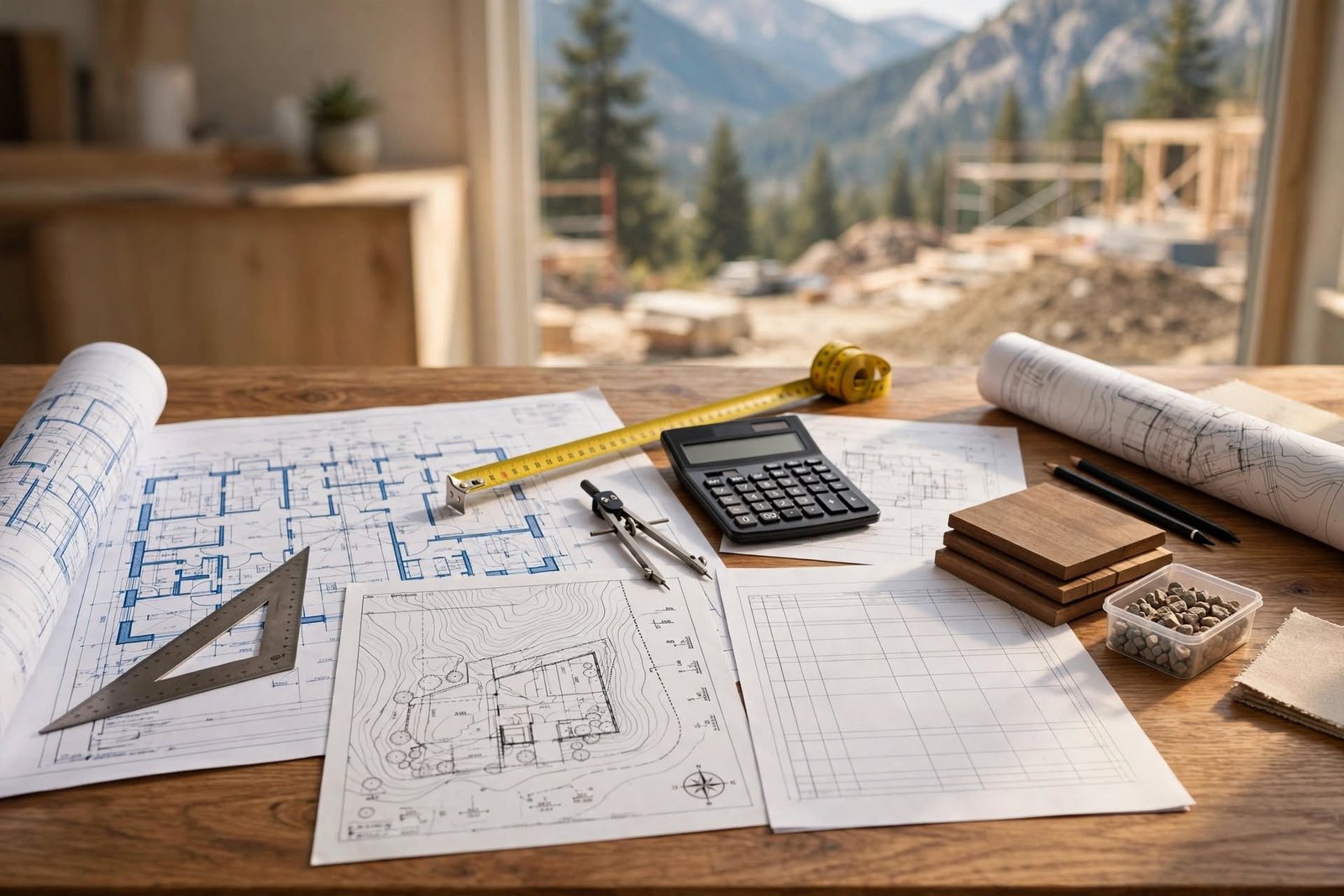
A house is a construction project and an investment at the same time. Before WNC Residential Development commits capital, every lot is tested against the same eight questions — and the answer has to be defensible.
Market
Is there real demand at this price? We look at who buys in this pocket, what comparable new construction trades for per finished foot, and how thin or deep the inventory is in that band.
Land
Can it be built — legally and physically? Access and driveway grade, soils and septic capacity, utilities at the street, easements, buffers and zoning. Confirmed before the lot is under contract.
Product
What is the right house for this buyer and this block? Size, plan, level of living, and where the budget should go. The form is chosen to serve the site and the numbers, not a magazine.
Costs
What does it cost to do it right? Hard costs including site work, soft costs, a real contingency, and allowances set with the buyer in mind — priced against a locked framing package where possible.
Capital
Whose money runs the job, and what does it cost? Loan-to-cost, term, interest reserve and equity in the land — sized so the schedule has cushion, not just a deadline.
Execution
Can we hold the schedule and the budget? A crew we have worked with for years, long-lead items ordered early, and deliveries scheduled against the framing calendar so the site stays clear.
Exit
How does the capital come back? Sale on completion, a reservation before it, or a build-to-suit for an owner. The exit is named before the build starts, not hoped for after.
Risk
What could break, and can we absorb it? View corridors, buffer surveys, rock lines, finish-cost drift over a long build. Each one gets a mitigation before it becomes a problem.
The call
Approve, restructure, or reject
The eight questions produce one decision, and it has to be explainable with evidence. Sometimes that means walking away from a lot — which is a result, not a failure.
Run your lot through the 360
Send the parcel. We'll tell you what we'd build there, or why we wouldn't.